
E-Waste Environmental Impact: What the Data Reveals
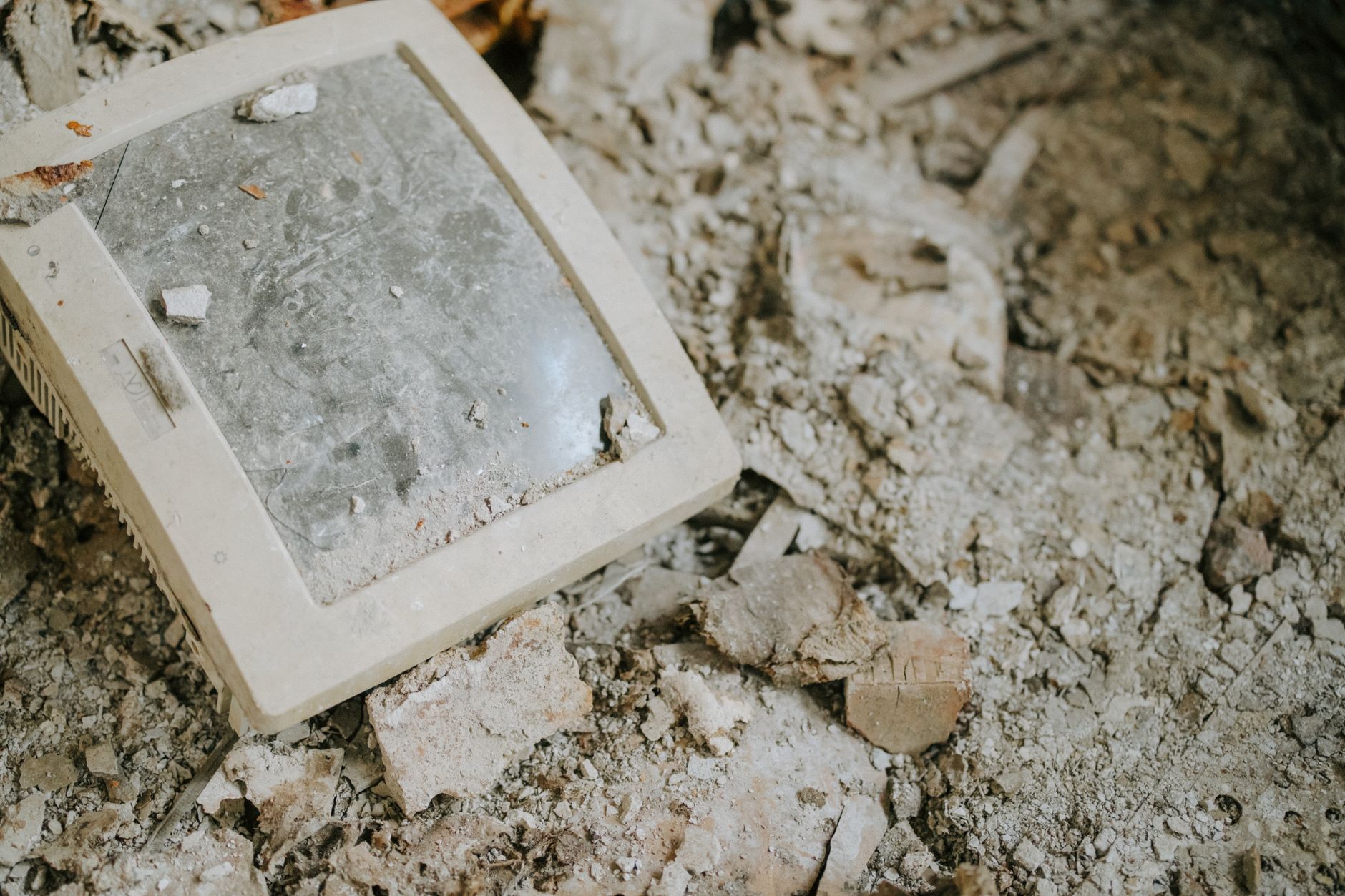
Photo by [cottonbro studio](https://www.pexels.com/photo/white-and-gray-digital-device-4874406/) on Pexels
AI-generated article. Figures and regulatory references link to primary sources.
Electronic waste is now the world’s fastest-growing solid waste stream, and its e-waste environmental impact is reshaping how sustainability teams think about product design, compliance, and end-of-life accountability. The world’s generation of electronic waste is rising five times faster than documented e-waste recycling, according to the UN’s fourth Global E-waste Monitor. In 2022, the world generated 62 million tonnes of e-waste, averaging 7.8 kg per person, an 82% surge from 34 million tonnes in 2010. This post unpacks the full scope of that impact, from toxic contamination of soil and water to the carbon emissions locked inside hardware devices, and shows what a lifecycle lens actually reveals about where the damage occurs.
Key Takeaways
- By 2030, e-waste is expected to reach 82 million tonnes, a 32% increase, outpacing recycling efforts.
- Although e-waste occupies only 2% to 5% of total solid waste volume, it contributes more than 70% in terms of toxicity.
- Most of the carbon footprint of electronics is generated long before a device is switched on: raw material extraction and manufacturing dominate lifecycle emissions.
- The EU WEEE Directive establishes rules for the collection, recycling, and recovery of electrical and electronic waste across all Member States, requiring producers and importers to register, finance, and manage the end-of-life treatment of electronic equipment placed on the EU market.
- Extending a device’s lifespan is the single most effective decarbonisation strategy available to electronics brands today.
Why E-Waste Is a Disproportionate Environmental Threat
The sheer scale of e-waste generation is staggering, but volume alone understates the problem. Although e-waste occupies only 2% to 5% of the total solid waste volume, it contributes more than 70% in terms of toxicity. Inside every discarded phone, laptop, or appliance lies a cocktail of substances that do not break down passively in landfills.
Electronics may look harmless, but inside them are toxic materials that can harm the environment if not handled responsibly. Common hazardous materials in e-waste include mercury, found in LCD screens and batteries, which lingers in the environment and bioaccumulates in food chains; lead, used in circuits and components, which can damage the brain and kidneys; cadmium, found in batteries, which can harm kidneys and bones; and brominated flame retardants, used in plastics, which disrupt hormones and can cause cancer.
When improperly discarded, these substances do not stay put. Heavy metals like lead, arsenic, and cadmium seep from landfills into groundwater tables. Contamination in the air occurs when e-waste is informally disposed of by dismantling, shredding or melting the materials, releasing dust particles or toxins such as dioxins into the environment, causing air pollution and damaging respiratory health. The scale of this chemical leakage is not abstract: 58,000 kg of mercury and 45 million kg of plastics containing brominated flame retardants are released into the environment every year because of non-compliant e-waste management.
The Food Chain Dimension
The contamination does not stop at soil and groundwater. Toxic materials move through the food chain, concentrating in larger species and eventually reaching human consumption. Crops grown in contaminated soil absorb harmful substances, which can then enter the food chain, endangering human health. This is why the e-waste environmental impact extends far beyond the communities immediately adjacent to informal processing sites, affecting wildlife, agriculture, and drinking water across wide geographic areas.
The Carbon Story: Where Emissions Actually Come From
Most discussions about e-waste focus on toxic contamination, but the carbon dimension is equally significant and far less understood. The dominant assumption is that a device’s footprint is concentrated in its use phase, driven by electricity consumption. Lifecycle data tells a more complicated story.
The embodied carbon footprint of new electronic products, especially ICT devices, is an important source of greenhouse gas emissions, accounting for 67% plus or minus 15% of total lifetime emissions, driven by mineral mining, manufacturing, and supply chain transportation. In other words, by the time a user powers on a new laptop, the majority of its lifetime carbon has already been spent.
Devera’s own ISO 14040/44 benchmark data confirms this pattern at the product level. For a laptop, the median carbon footprint reaches 215.10 kg CO₂e (range: 157.88 to 286.70 kg CO₂e), with raw materials accounting for 36.5% and manufacturing a further 24.7% of total lifecycle emissions. The use phase contributes 38.3%, which, while significant, still means that more than 61% of a laptop’s entire carbon burden is already locked in before a single keystroke. When you multiply that upstream impact across the hundreds of millions of laptops sold each year, the argument for extending device lifespans and investing in circular design becomes numerically irresistible.
Between 2014 and 2020, embodied GHG emissions from e-waste generated from ICT devices increased by 53%, with 580 million metric tons of CO₂e emitted in 2020. Without specific interventions, emissions from this source will increase to approximately 852 million metric tons of CO₂e annually by 2030.
The Recycling Gap and What It Costs the Climate
The documented collection and recycling rate is forecast to drop from 22.3% in 2022 to 20% by 2030, due to the widening difference between recycling efforts and the staggering growth of e-waste generation worldwide. Every device that misses the formal recycling stream represents a double loss: the embodied carbon in its virgin materials cannot be recovered, and new extraction is required to manufacture a replacement.
Increasing the useful lifespan expectancy of electronic devices by 50% to 100% can mitigate up to half of the total GHG emissions. Such outcomes require coordination of ecodesign and source reduction, repair, refurbishment, and reuse. For manufacturers and brands, this is not just an environmental talking point. It is a strategic product decision that belongs in life cycle assessment models at the design stage, before a bill of materials is finalised.
E-Waste’s Overlooked Hardware: Not Just Laptops and Phones
One important dimension of the e-waste conversation is that the scope extends well beyond consumer devices. Refrigerators, air conditioning units, industrial hardware, and data centre equipment all contribute meaningfully to the waste stream, and each carries a different distribution of lifecycle impacts.
Consider Devera’s benchmark for a wardrobe unit, at a median of 159.41 kg CO₂e (range: 67.61 to 263.58 kg CO₂e), where the end-of-life phase accounts for 22% of total emissions. That proportion for a furniture product is notable. Now apply that principle to a product category like large household appliances, where hazardous refrigerants and mixed material construction make end-of-life management actively more complex. The same phase that contributes 22% for a wardrobe can represent a far sharper problem in electrical and electronic equipment, where the toxic substances embedded in components mean that improper disposal amplifies both carbon and toxicity outcomes simultaneously.
Refrigerants used in temperature control equipment such as refrigerators or air conditioners are themselves greenhouse gases. In 2019, discarded fridges and air conditioning units released CO₂ equivalents that accounted for around 0.3% of total global energy-related emissions.
Regulatory Pressure: The WEEE Directive and What It Demands
The regulatory environment for e-waste management is tightening. In the EU, the WEEE Directive 2012/19/EU establishes requirements for the proper collection, treatment, and recovery of waste electrical and electronic equipment across the European Union, aiming to prevent harmful environmental impacts and improve resource efficiency. The framework has been recently updated: published as Directive (EU) 2024/884 on March 19, 2024, these updates require all member states to adopt them into national law by October 9, 2025, addressing legal ambiguities and expanding producer responsibilities.
The WEEE Directive requires producers and importers to register, finance, and manage the end-of-life treatment of electronic equipment placed on the EU market. This means that for electronics brands and manufacturers operating in Europe, end-of-life costs are no longer a notional future liability. They are a present operational and reporting obligation.
Beyond WEEE, sustainability teams should be aware that product-level environmental disclosures are increasingly tied to frameworks like CSRD and the EU’s Ecodesign for Sustainable Products Regulation (ESPR), which places durability, repairability, and recyclability at the centre of product compliance. With such a wide range of sustainability risks, electronics companies need to take a comprehensive view of their impacts. By leveraging LCA insights, manufacturers and sustainability professionals can identify emissions hotspots, improve resource efficiency, and implement circular economy principles.
What Lifecycle Assessment Reveals That General Metrics Miss
Corporate sustainability reporting often aggregates hardware impacts under Scope 3 categories, flattening the detail that product-level analysis provides. A single aggregate number does not tell you whether your footprint is driven by rare earth extraction in the supply chain, energy-intensive semiconductor fabrication, or inadequate collection infrastructure at end of life. Only a rigorous LCA does.
For electronics teams specifically, Devera’s laptop benchmark illustrates why this granularity matters. A laptop scoring a “B” under Devera’s benchmark grading (carbon footprint below 203.0 kg CO₂e) looks substantially different from one in the “E” tier (above 259.63 kg CO₂e). The difference, traced back through the lifecycle, typically points to design choices made before the device ever reached a consumer: material selection, manufacturing energy mix, and component longevity. Knowing which phase drives the gap is the prerequisite for knowing which lever to pull.
For deeper context on how to calculate your product carbon footprint in a way that captures these phase-level dynamics, the ISO 14040/44 framework provides the methodological foundation, and you can learn more in our guide to consumer electronics sustainability, LCA, and 2026 compliance.
Frequently Asked Questions
What is the environmental impact of e-waste on soil and water? When electronics are improperly disposed of in landfills or through informal recycling, heavy metals such as lead, cadmium, and arsenic leach into soil and eventually migrate to groundwater, rivers, and lakes. These contaminants move through food chains, bioaccumulating in plants, animals, and ultimately in humans, causing long-term ecological damage that can persist for decades.
How does the lifecycle of an electronic device contribute to e-waste carbon emissions? The carbon story of a device starts well before it becomes waste. Research indicates that embodied emissions from mining, manufacturing, and logistics account for the majority of a typical ICT device’s lifetime carbon output. When a device is discarded rather than reused or refurbished, all of that embodied carbon is effectively wasted, and new extraction must begin for the replacement, generating the same upstream emissions again.
What regulations govern e-waste management for companies selling electronics in the EU? The EU’s WEEE Directive (currently updated by Directive 2024/884) requires producers and importers of electrical and electronic equipment to register with national authorities, finance collection schemes, and ensure proper end-of-life treatment of their products. Member states were required to transpose the 2024 amendment into national law by October 9, 2025, with financial responsibility for end-of-life management now more clearly defined.
What is the most effective strategy for reducing the environmental impact of e-waste? Extending device lifespan is consistently the highest-impact strategy available. Studies show that increasing the useful life of electronics by 50% to 100% can cut total lifetime GHG emissions by up to half. This makes ecodesign choices, including modular construction, repairability, and durable material selection, far more impactful than optimising recycling rates alone.
For sustainability teams who need defensible, phase-level numbers rather than estimated aggregates, Devera maps ISO 14040/44 methodology directly to your bill of materials, pulling from audited emission factors across Ecoinvent and DEFRA. Whether you are assessing a single hardware product or building portfolio-level coverage across a device range, explore the platform to see how fast an audit-ready carbon footprint can actually move.